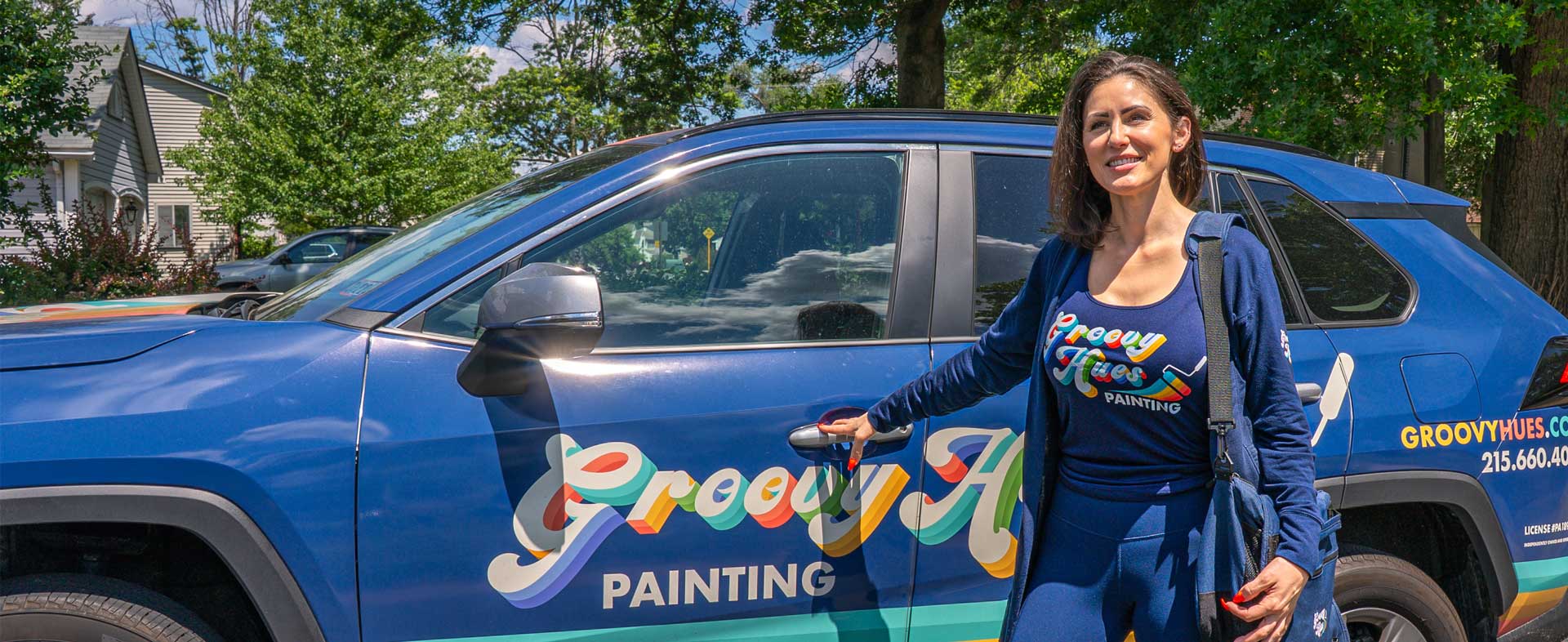
Written from the field by Groovy Hues Painting of Philadelphia — 25 years painting Greater Philadelphia, OSHA 30 · BBB Accredited · PA HIC #PA189587, 5.0 rated across 1,100+ reviews.

The Seasonal Shift: Protecting Your Home's Exterior in Autumn
Mid-fall October in Philadelphia brings crisp air, falling leaves, and a sudden urgency for homeowners asking why we shift to interior-only projects when overnight temps drop below 40 degrees. You might be rushing to check off those final outdoor home improvements before winter officially arrives. It is completely understandable to want your home looking perfect and fully protected before the harsh weather sets in. At Groovy Hues Painting, our crews see this pattern every year: the calendar turns, the holidays approach, and the race to finalize exterior renovations begins in earnest.
For more information on how we can upgrade your home right now, explore our interior painting solutions.
However, pushing the limits of the season often leads to compromised results and wasted investments. Exterior home updates rely heavily on environmental conditions, and paint is particularly sensitive to the changing weather. There is a critical temperature threshold that dictates when exterior work must safely halt to protect the integrity of the application. Ignoring this boundary might get the job done faster, but it almost guarantees the work will not last.
Shifting focus indoors is the smartest move for homeowners during this transition. Instead of risking a failed exterior application that will need to be scraped and redone by spring, pivoting to indoor updates allows you to improve your living space under perfectly controlled conditions. Understanding the science behind this seasonal shift helps you make the best decisions for your property's long-term health and appearance.
The False Security of Sunny October Afternoons
In our years of servicing homes across the Delaware Valley, we have learned that Philadelphia's specific fall climate pattern creates a tricky environment for outdoor home improvement. Warm, sunny October days are routinely followed by rapid overnight temperature plummets, which completely interrupts the curing cycle of exterior coatings. A beautiful 65-degree afternoon provides a false sense of security, making it feel like the perfect time to tackle the siding or trim.
To ensure your home gets the attention it deserves without the weather risks, consider scheduling interior painting services in Philadelphia while the outdoor temperatures fluctuate.
The reality of autumn weather is defined by high diurnal temperature variation—the difference between the daytime high and the nighttime low. Here is how this pattern disrupts exterior applications:
- The midday warmth: Between noon and 3:00 PM, direct sunlight warms the exterior walls, making the surface feel ideal for application. The ambient temperature might read a comfortable 65 degrees.
- The late afternoon drop: As soon as the sun dips below the tree line, the ambient temperature begins to freefall. By 5:00 PM, the warmth is gone, and the surface temperature of your home drops even faster than the surrounding air.
- The evening chill: By 8:00 PM, the temperature is often hovering dangerously close to the mid-40s. The application that looked perfect just hours earlier is now freezing in place before it has a chance to bond.
- The dew point threshold: As the air cools rapidly, it can no longer hold as much moisture. This leads to condensation forming directly on your home's exterior walls, introducing invisible moisture exactly where you need a dry surface.
This rapid shift from a comfortable afternoon to a frigid night is exactly why mid-fall October in Philadelphia represents the cutoff for reliable exterior work. The surface simply does not stay warm long enough to allow the materials to perform their intended function.
The Chemistry of Acrylic Polymers at the Critical Threshold
The decision to halt exterior work is not based on contractor comfort; it is rooted entirely in the deep chemistry of how modern coatings bond to a surface. Acrylic latex paints require specific temperatures to properly coalesce. Coalescence is the chemical process where microscopic paint particles melt together to form a solid, continuous, and protective film over your siding.
When the environment drops to 40 degrees Fahrenheit overnight, this chemical process stops dead in its tracks. The acrylic polymers become rigid and fail to fuse. Instead of forming a flexible shield, the coating dries into a brittle, fragmented layer. This is a strict chemical limitation that cannot be bypassed by simply working faster during the day.
Coalescence and Cold Weather
Think of acrylic polymers like microscopic puzzle pieces floating in water. As the water evaporates, these pieces are supposed to soften, flow into one another, and lock together tightly. For this softening to occur, the temperature must remain above a specific threshold—usually 50 degrees for optimal results, with an absolute hard stop at 35 to 40 degrees depending on the specific formulation.
If the temperature drops too low before the puzzle pieces lock together, they freeze into rigid, separate shapes. They never form a continuous film. The visible consequences of this failure are severe: you will experience poor adhesion, premature chalking, and aggressive peeling or cracking as soon as the spring thaw arrives.
The Danger of Invisible Moisture
Cold weather brings another chemical enemy: moisture. Cold nights create dew and condensation on exterior walls, often long before the moisture is visible to the naked eye. This microscopic layer of water acts as a barrier, preventing the coating from physically touching and bonding to the siding or trim.
Applying materials over invisible moisture traps that water beneath the surface. When the sun finally warms the house the next day, that trapped moisture attempts to evaporate, pushing its way out and creating large blisters in the newly applied finish. Respecting the 40-degree threshold ensures this moisture barrier never has a chance to form during the critical bonding phase.
The Hidden Danger: Dry to the Touch vs. Fully Cured
One of the most common misconceptions our painters encounter is the belief that if a wall feels dry, it is safe from the elements. There is a massive difference between initial drying and the long-term curing process. Understanding this difference is key to knowing why a few hours of afternoon sun is never enough for a successful late-season application.
If you want to dive deeper into the technical details of this process, you can learn more about the science of paint curing and why patience is required for a lasting finish.
The quick fix illusion: "Dry to the touch" simply means the water or solvents in the mixture have evaporated enough that the surface is no longer tacky. This usually happens within a few hours. However, the chemical cross-linking—the curing—has only just begun.
Full curing can take up to 30 days. During the first 48 hours of this window, the developing film is incredibly vulnerable. Extreme temperature drops during this initial 48-hour period can permanently compromise the integrity of the finish, even if it felt perfectly dry at sunset.
| Phase | Timeframe | What is Happening Chemically | Vulnerability to Cold |
|---|---|---|---|
| Wet Application | 0 to 1 Hour | Material is transferred to the surface; leveling begins. | Extreme. Freezing ruins the material instantly. |
| Dry to the Touch | 1 to 4 Hours | Water evaporates into the air; surface loses tackiness. | High. Rigid polymers will fail to fuse if temps drop now. |
| Initial Cure | 48 Hours | Polymers begin cross-linking and forming a solid film. | Moderate to High. Overnight drops below 40° stop the cross-linking. |
| Fully Cured | Up to 30 Days | Maximum hardness, adhesion, and weather resistance achieved. | Low. The finish is now fully resilient to winter weather. |
Warning against the assumption that a warm afternoon guarantees success is a core part of our seasonal strategy here at Groovy Hues Painting. The weather must remain consistently cooperative not just while our brushes are moving, but for days afterward.

Refusing to Compromise on Your Home's Protection
When the weather turns, some might try to push the limits by utilizing low-temperature additives or specialty winter formulas. While these products exist, relying on them during unpredictable mid-fall weather is a gamble with your property. We frame the 40-degree cutoff organically as a strict, non-negotiable quality standard that proves a commitment to long-lasting results over booking a quick, risky exterior job.
If you are planning an outdoor transformation, learning about our comprehensive approach to exterior painting will show you exactly how we prioritize your home's protection.
Risking a failed application is a massive disservice to the homeowner. When exterior coatings fail due to temperature abuse, the fix is never simple. It requires aggressive scraping, sanding, priming, and a complete reapplication the following spring. You end up paying for the same project twice, dealing with months of peeling siding in the interim.
Strict adherence to temperature guidelines is a mark of professional integrity. For our team, it means telling a homeowner "no, we should wait" even when they are eager to get the work done. Reassuring you that pausing outdoor work guarantees a flawless, lasting finish when the season is right is how we protect your investment. We refuse to compromise the chemistry just to squeeze one more project into the calendar.
Pivoting Indoors: Maximizing the Late Fall Season
The halt of outdoor work is not the end of home improvement season; it actually opens up prime scheduling for indoor transformations. As the weather cools and families spend more time inside, updating the interior of your home becomes the logical next step. Moving operations indoors guarantees perfectly controlled conditions for curing, entirely free from the stress of 40 degrees Fahrenheit overnight temperature drops.
Just last fall, a local homeowner reached out to Groovy Hues Painting because they needed the entire interior of their house updated under a very tight schedule. Because our exterior crews had already transitioned indoors for the season, we were able to provide a comprehensive color consultation immediately and complete the entire whole-house project in under a week. The final results were impeccable, finished exactly on budget, and ready well before their upcoming gatherings.
Here are the key steps to maximizing the late fall season for indoor projects:
- Prioritize high-traffic areas: Focus on the living rooms, dining rooms, and kitchens that will see the most use during winter holidays and family gatherings.
- Schedule a color consultation: Use the shorter autumn days to review swatches in your home's natural indoor lighting, ensuring the tones perfectly match your aesthetic.
- Leverage efficient project management: With the focus entirely indoors, crews can work systematically room by room, minimizing disruption to your daily routine.
- Enjoy controlled curing: Indoor environments maintain consistent, thermostat-controlled temperatures, allowing materials to cure perfectly without the threat of invisible moisture or freezing drafts.
Completing these projects before the busy winter holidays removes a significant source of stress and ensures your home looks its absolute best when hosting guests.
Planning Ahead for Future Outdoor Projects
If you missed the current season's window for outdoor work, the winter months are the perfect time to get organized for the spring. Proactive communication now secures your priority booking as soon as the weather warms up, ensuring you aren't stuck at the back of the line when the spring rush begins.
During a recent winter project, our interior specialists helped a homeowner who needed their living room, dining room, and kitchen updated right before the holidays. We explained the entire process in detail, worked efficiently to meet their timeline, and even added their bathrooms to the scope successfully. While we were on-site delivering those great-looking interior rooms, our project managers were also able to assess their exterior siding and trim, getting them fully prepared and on the schedule for a spring outdoor refresh.
To secure your spot for a flawless finish next season, explore our exterior painting services and start planning today.
Here is how you can use the off-season to plan ahead:
- Assess outdoor surfaces: Walk the perimeter of your home on a clear winter day to note any areas of peeling, cracking, or wood rot that will need attention.
- Finalize color choices early: Use the winter months to test exterior color swatches and consult with your HOA if approvals are required.
- Secure priority scheduling: Getting on the schedule early guarantees your project will be executed during optimal spring weather conditions, avoiding the unpredictable late-fall scramble.
- Plan for thorough preparation: Early booking allows ample time to schedule necessary power washing, carpentry repairs, and priming before the final finishes are applied.
Frequently Asked Questions About Cold Weather Painting
What happens if you paint outside when it's below 40 degrees?
When temperatures drop below 40 degrees, the chemical curing process of acrylic latex coatings stops completely. The polymers become rigid and fail to fuse together into a continuous film. This results in a brittle finish that will suffer from poor adhesion, cracking, and peeling shortly after application.
Why does paint peel if applied in cold weather?
Peeling occurs because the coating never properly bonded to the underlying surface. Cold weather prevents the necessary coalescence of the materials, and invisible condensation often forms on the siding, creating a moisture barrier. When the surface eventually warms up, the unbonded layer pulls away and peels off in large strips.
Is dry to the touch the same as fully cured?
No, dry to the touch only means the water has evaporated enough that the surface is no longer sticky. Full curing is a complex chemical cross-linking process that can take up to 30 days to complete. A surface can feel dry in two hours but still be permanently ruined if the temperature plummets overnight.
How cold is too cold to paint a house?
Generally, anything below 40 degrees Fahrenheit overnight is too cold for standard exterior applications. While some specialty products claim to work in lower temperatures, applying them during unpredictable fall weather risks the long-term integrity of the finish. At Groovy Hues Painting, we strictly halt exterior work when overnight lows hit this threshold.
Will paint dry if it drops below freezing at night?
It will not dry or cure properly if it drops below freezing; instead, the water inside the applied material will freeze. This freezing action destroys the emulsion, completely ruining the structural integrity of the coating. Even if it warms up the next day, the damage to the chemical structure is irreversible.
Can interior painting be done efficiently during the winter?
Yes, interior work is highly efficient during the winter months. Because your home's heating system maintains a consistent, controlled environment, the materials dry and cure perfectly regardless of the freezing temperatures outside. It is the ideal time to update your living spaces without weather-related delays.
Secure Your Spot for a Flawless Winter Finish
Respecting the science of proper application is the only way to guarantee a result that protects your home for years to come. By strictly observing the 40-degree rule, our team ensures that your property never suffers the consequences of a rushed, late-season exterior job. As the crisp Philadelphia weather settles in, it is the perfect opportunity to shift your focus inward. Transforming your living spaces during the colder months provides the perfect upgrade in a controlled, predictable environment. Reach out to Groovy Hues Painting today to discuss your indoor options and secure your spot for a flawless finish before the busy holiday season arrives.