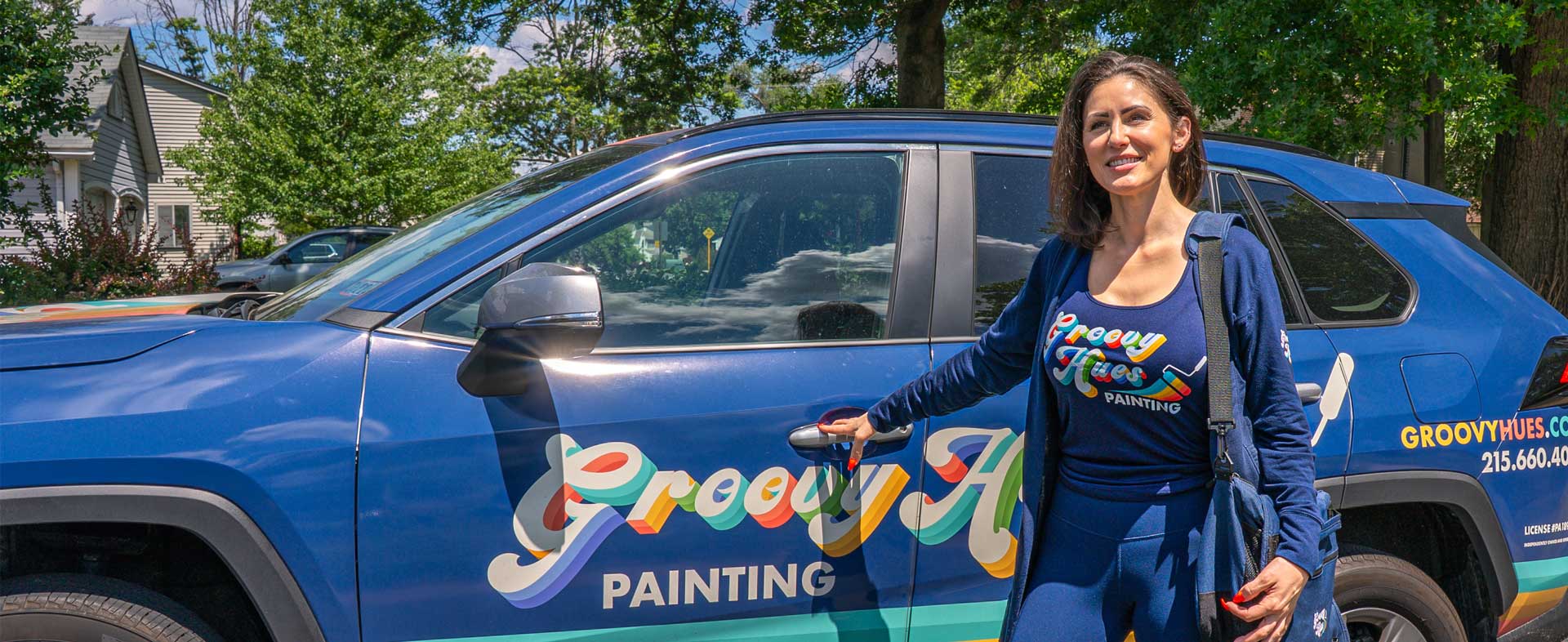
Written from the field by Groovy Hues Painting of Philadelphia — 25 years painting Greater Philadelphia, OSHA 30 · BBB Accredited · PA HIC #PA189587, 5.0 rated across 1,100+ reviews.

The Pressure of Holiday Preparation and Changing Indoor Climates
Your dining room walls look tired, the guest list is finalized, and you are desperately searching for home maintenance tips and troubleshooting advice to get the space presentable before the holidays. Homeowners often rush to update their living spaces right before major late-fall and winter gatherings, hoping for a quick aesthetic refresh. However, these rushed upgrades face a hidden challenge as the November pre-holiday heating season begins. The moment temperatures drop outside and indoor heating systems are turned on, the environment inside your home fundamentally changes.
If you are looking for reliable interior painting, securing a professional interior painting service in Philadelphia ensures your home is guest-ready without the stress.
Understanding how environmental shifts affect paint application is the only way to avoid a botched finish. When you are racing against a holiday deadline, you cannot afford to deal with peeling paint, visible brush strokes, or uneven sheens just hours before guests arrive. Professional execution ensures that these tight deadlines are met without sacrificing long-term durability.
Common pressures during the late-fall painting rush:
- Tight timelines: Trying to compress a multi-day project into a single weekend before a major dinner party.
- Unpredictable weather: Sudden cold snaps that force the furnace to run continuously, altering the indoor climate.
- Skipped preparation: The temptation to bypass sanding, patching, or priming to save a few hours.
- Occupied spaces: Attempting to paint while the family is simultaneously using the house for holiday preparation.
The short answer is that interior painting during the winter is entirely possible, but it requires a strategic approach. You must account for how the air inside your home behaves when the furnace is running at full capacity.
How Forced-Air Heating Alters Paint Curing Times
The Problem: You apply a fresh coat of paint to your living room walls, and within an hour, it feels completely dry to the touch. But a few days later, you notice the sheen looks uneven, or worse, the paint starts to peel when you accidentally bump a chair against it. The finish is compromised despite your best efforts.
The Cause: Paint requires a specific balance of temperature and moisture to cure properly. Ideal indoor conditions typically hover between 40% and 50% humidity. However, as the region's transition to freezing winter weather necessitates heavy indoor heating, that artificial warmth drastically lowers the moisture in the air. Dropping indoor humidity levels—often plummeting below 30%—cause the water or solvents in the paint to evaporate far too quickly. This rapid drying leads to poor adhesion, visible brush strokes, and an inconsistent finish.
The Solution: Managing the indoor climate is just as important as the application itself. Professionals monitor ambient moisture and adjust their techniques to account for how humidity affects paint drying times, ensuring the product has enough time to bond with the wall surface.
The Difference Between Drying and Curing
Most homeowners don't realize that drying and curing are two entirely distinct chemical processes. Surface drying happens quickly—it simply means the liquids have evaporated enough that the paint is no longer tacky. Molecular curing, however, takes days or even weeks. This is the process where the binders fuse together to create a durable, scrubbable shell. Winter heating systems accelerate surface drying while trapping uncured solvents underneath, creating a fragile finish that is easily damaged.
| Paint Phase | Typical Timeline | What Happens Under Winter Heating |
|---|---|---|
| Surface Drying | 1 to 4 hours | Accelerated to under 30 minutes, causing brush drag. |
| Recoat Window | 4 to 6 hours | Appears ready too soon, leading to trapping moisture. |
| Full Molecular Cure | 14 to 30 days | Delayed or compromised due to rapid initial evaporation. |

Troubleshooting Paint Adhesion on Historic Plaster Walls
Homes built before the 1950s react differently to temperature and humidity shifts than modern construction. Philadelphia rowhomes and older housing stock prominently feature original lath and plaster walls. Unlike modern drywall, which is relatively uniform and stable, aged plaster is highly susceptible to cracking and moisture variations when indoor heating fluctuates.
Applying modern acrylics over older, potentially oil-based or calcimine layers without proper bonding primers almost always leads to peeling. When the furnace kicks on and the air dries out, the plaster subtly shifts and contracts. If the new paint layer hasn't formed a flexible, secure bond with the substrate, it will simply detach.
Thorough wall preparation and specialized primers are non-negotiable for historic walls. Professionals know that you cannot simply roll a standard latex paint over an eighty-year-old plaster wall and expect it to survive the winter heating cycle. The surface must be cleaned, deglossed, and sealed with a high-adhesion primer that bridges the gap between historic materials and modern topcoats.
Identifying Plaster Vulnerabilities
Before any paint is applied, a thorough inspection of the plaster is required. Look for hairline cracks radiating from door frames and soft spots that indicate structural shifting behind the wall. Skimming and patching these vulnerabilities require extended drying times before paint application. Because the patching compounds introduce moisture back into the dry winter air, they must be allowed to fully cure so they don't compromise the final paint layer.
Prioritizing High-Impact Rooms Without Compromising Prep Work
Attempting to paint an entire home in a few days often leads to skipped prep work, which is a guaranteed recipe for failure. When the November pre-holiday heating season is in full swing, you have to be strategic about where to focus your efforts. A strategic approach guarantees a flawless finish where guests will actually spend their time.
- Identify the hosting zones: Focus strictly on high-traffic hosting areas such as living rooms, dining rooms, and kitchens. These are the spaces where guests will linger, making a fresh, clean aesthetic highly impactful.
- Assess the required prep: Evaluate the walls in these priority rooms. If a dining room requires extensive plaster repair but the living room only needs a light scuff-sand and a topcoat, factor that into your timeline.
- Establish a realistic schedule: Proper scheduling allows professionals to manage drying times efficiently across multiple rooms. While one room is drying, prep work can begin in the next.
- Communicate the deadline clearly: One homeowner reached out during the winter needing their living room, dining room, and kitchen painted just before the holidays. By explaining the full process, recommending the right moisture-resistant paints, and handling the extensive prep work efficiently, the crew successfully completed the spaces on time—and even added extra bathrooms to the project because the workflow was so well-managed.
By narrowing your focus to the rooms that matter most, you ensure that the necessary preparation—cleaning, sanding, patching, and priming—is never compromised for the sake of speed.
Protecting Hardwood Floors and Furnishings During Rushed Projects
Rushed timelines inherently increase the risk of accidental spills, splatters, and property damage. When you are trying to beat the clock before a holiday gathering, it is easy to become sloppy with drop cloths and masking tape. However, this is exactly when property protection is most vital.
Philadelphia rowhomes and older housing stock often feature original, centuries-old hardwood floors that are incredibly difficult and costly to restore if damaged by a knocked-over paint tray or careless foot traffic. A single drop of deep-tinted acrylic on porous historic pine can leave a permanent stain.
Proper masking, heavy-duty drop cloths, and careful furniture relocation are essential preliminary steps that cannot be rushed. That is why strict protocols for protecting delicate hardwood floors and furnishings must be executed before a single paint can is opened. A professional team will never bypass property protection, regardless of how tight the holiday deadline might be.
Essential protection measures include:
- Rosin paper and tape: Creating a secure, slip-resistant barrier over hardwood floors that won't shift under ladders.
- Plastic sheeting: Draping heavy furniture and built-in cabinetry to protect against airborne dust during the sanding phase.
- Hardware removal: Taking off switch plates, outlet covers, and door knobs rather than trying to clumsily paint around them.
- Traffic control: Establishing clear pathways for moving tools and materials in and out of the house without tracking debris.
The Mark of Quality: Inspecting Cut-In Lines and Details
The true test of a paint job lies in the transitions between walls, ceilings, and trim. Anyone can roll a large, flat wall, but meticulous freehand cutting-in requires highly skilled professionals and ideal paint consistency.
Fluctuating winter humidity and dropping indoor humidity levels can make tape lines bleed or cause paint to drag heavily during application. When the air is excessively dry from the furnace, the paint loses its wet edge rapidly. If a painter works too slowly, the brush will drag through partially dried paint, leaving heavy texture marks along the ceiling line or baseboards.
Thorough post-application inspections ensure crisp lines and a pristine final aesthetic. Another customer needed their family room, bathrooms, and an enclosed porch painted with only a week's notice before the holidays. Following a prompt estimate, the crew worked tirelessly to finish the job in just two and a half days. Despite the rapid turnaround, the meticulous detail in the transitions remained uncompromised.
A systematic approach to inspecting cut-in lines ensures flawless results even under tight deadlines. This means walking the perimeter of every room with adequate lighting, checking the baseboards, window casings, and crown molding to guarantee that the sharpest possible lines have been achieved.
Coordinating Additional Winter Home Upgrades
Winter is an excellent time to tackle other interior updates while the house is already prepped and protected. Since the drop cloths are already down and the furniture is moved, consolidating projects minimizes disruption to the household during the busy November pre-holiday heating season.
Updating kitchen or bathroom cabinetry can completely transform a space alongside fresh wall colors. If your dining room is getting a new coat of paint, refreshing the adjacent kitchen with professional cabinet painting creates a cohesive, updated flow throughout the main floor of the house.
Planning Ahead for Warmer Weather
While interior work takes priority in freezing temperatures, planning for spring external updates can begin right now. Use the winter downtime to schedule consultations for outdoor projects. By assessing your siding, trim, and decks during the colder months, you can secure your spot on the schedule for exterior painting so that work can commence as soon as the spring freeze lifts.
Frequently Asked Questions
How does indoor heating affect interior paint drying?
Indoor heating systems drastically lower the humidity in your home, causing the moisture in the paint to evaporate too rapidly. This accelerated surface drying can trap uncured solvents beneath the top layer. As a result, the paint may suffer from poor adhesion, visible brush strokes, and an uneven sheen.
What is the best way to prep older plaster walls for paint?
Older plaster walls require meticulous cleaning, deglossing, and the application of a high-quality bonding primer. Because historic plaster reacts to temperature shifts differently than modern drywall, any cracks or soft spots must be fully repaired and allowed to cure. Skipping these steps often leads to peeling and failure of the new topcoat.
Why is my fresh paint not curing properly in the winter?
Your fresh paint is likely struggling to cure because the winter furnace has dropped the indoor humidity below the ideal 40% to 50% range. While the paint may feel dry to the touch quickly, molecular curing requires balanced moisture over several weeks. Extreme dry air disrupts this chemical bonding process.
Does turning on the heat help paint dry faster?
Turning on the heat accelerates surface drying, but it does not help the paint cure properly. In fact, excessive artificial heat can cause the paint to flash or dry so fast that it loses its self-leveling properties. It is better to maintain a moderate temperature with balanced humidity for a durable finish.
Can you paint the inside of your house in the winter?
Yes, you can absolutely paint the inside of your house during the winter months. Professionals manage the indoor climate and adjust their application techniques to account for the dry air. Winter is actually an ideal time for interior upgrades since exterior projects are largely paused.
How long should I wait to host guests after painting a dining room?
You should ideally wait at least 24 to 48 hours before moving heavy furniture back into the room and hosting guests. While the walls may feel dry within a few hours, the paint is still fragile and susceptible to scuffs and scratches. Giving the room a few days to begin its curing process ensures the finish remains pristine.
Expert Execution for a Stress-Free Holiday Season
Tackling interior upgrades while managing dropping temperatures requires more than just a brush and a roller; it requires a realistic strategy for prioritizing high-impact rooms and understanding the environmental factors needed for a flawless finish. By relying on professional home maintenance tips and troubleshooting, you can navigate the winter heating season with confidence. If you want to ensure your home looks its absolute best before guests arrive, reinforce your plans with a trusted interior painting service in Philadelphia and enjoy a beautifully refreshed space.