
Written from the field by Groovy Hues Painting of Philadelphia — 25 years painting Greater Philadelphia, OSHA 30 · BBB Accredited · PA HIC #PA189587, 5.0 rated across 1,100+ reviews.
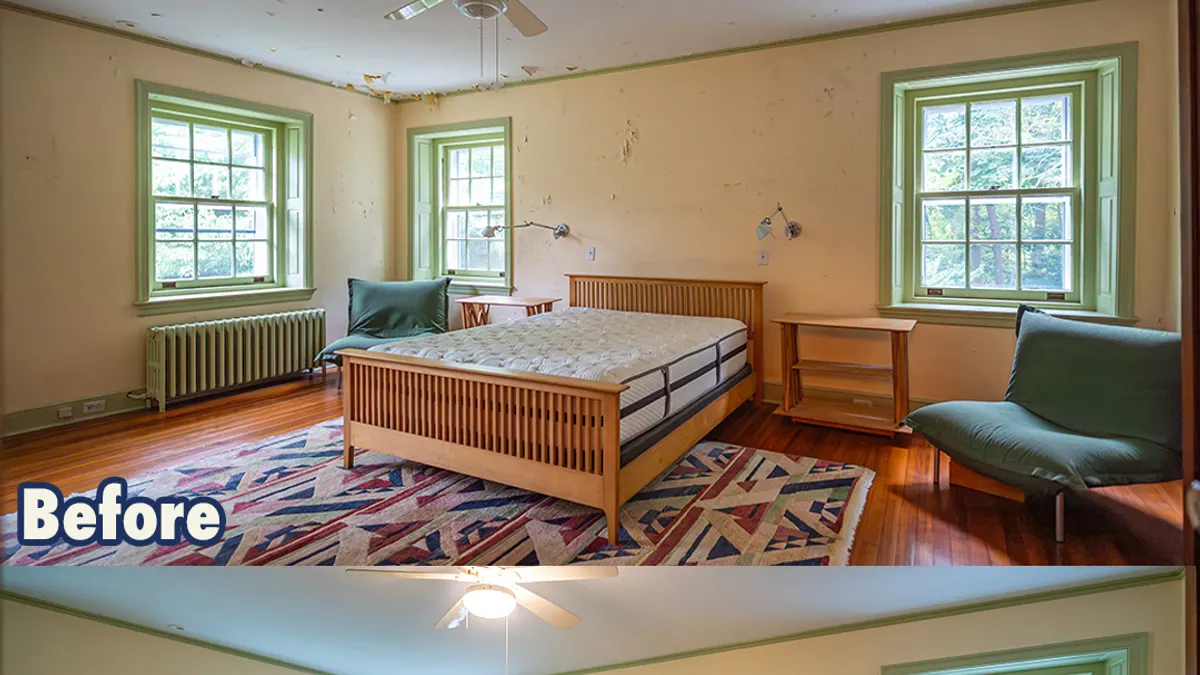
If your Philadelphia home was built before 1978, assume its older paint layers may contain lead — because until that year, lead-based paints were sold for homes, and most of this city's housing is older than that. Lead paint that's intact and undisturbed is generally managed in place; the danger moment is when someone sands, scrapes, or demolishes it carelessly. Which is to say: the danger moment is a careless paint job.
What do the federal rules actually require?
The EPA's Renovation, Repair, and Painting (RRP) rule governs how firms disturb painted surfaces in pre-1978 homes — containment of the work area, methods that minimize dust, and thorough cleanup. It applies to exactly the kind of surface prep a real paint job involves, which is why containment, dust control, and careful cleanup are built into how we prep older Philadelphia homes: not a marketing phrase, a working method.
What does careful, contained prep look like on a real job?
- Containment first: plastic sheeting isolates the work area — inside a room, or across a rowhome front where the sidewalk is three feet from the ladder.
- Low-dust methods: wet-scraping and careful sanding instead of dry-blasting old layers into the air your family breathes.
- Cleanup that finishes the job: HEPA vacuuming and wet-wiping the work area, then disposing of debris properly — not sweeping chips into the gutter.
On Philadelphia's tight blocks, this discipline protects more than your household: your stoop is your neighbor's stoop, and careful containment is being a good neighbor in the most literal way. (It's also baked into how we prep — see our rowhome exterior prep guide.)
Which neighborhoods does this affect most?
Almost all of them. The colonial-era blocks of Society Hill and Queen Village, the Victorian stock in Germantown and University City, the workers' rows of Fishtown — and even mid-century homes in the Northeast, since lead paints were in residential use until 1978.
What should you ask any painter?
- "How will you contain and clean up prep dust on my project?" (Specifics, not reassurance.)
- "What happens to scrapings and debris at the end of each day?" (Proper disposal, not the gutter.)
- "Is the old-paint handling itemized in the written scope?" (It should be visible, not vague.)
A low bid that skips these practices isn't a bargain — it's a health hazard with a discount sticker. It's also one of the cost realities that make honest interior painting quotes in Philadelphia vary between houses that look identical from the street.
The bottom line
Old paint isn't something to fear — it's something to respect. Hire careful crews, insist on containment and cleanup, and put it all in writing. Bring us any bid for the Instant Price Estimator or call (267) 467-2640 and we'll treat every older layer with the respect it deserves, from the first scrape.