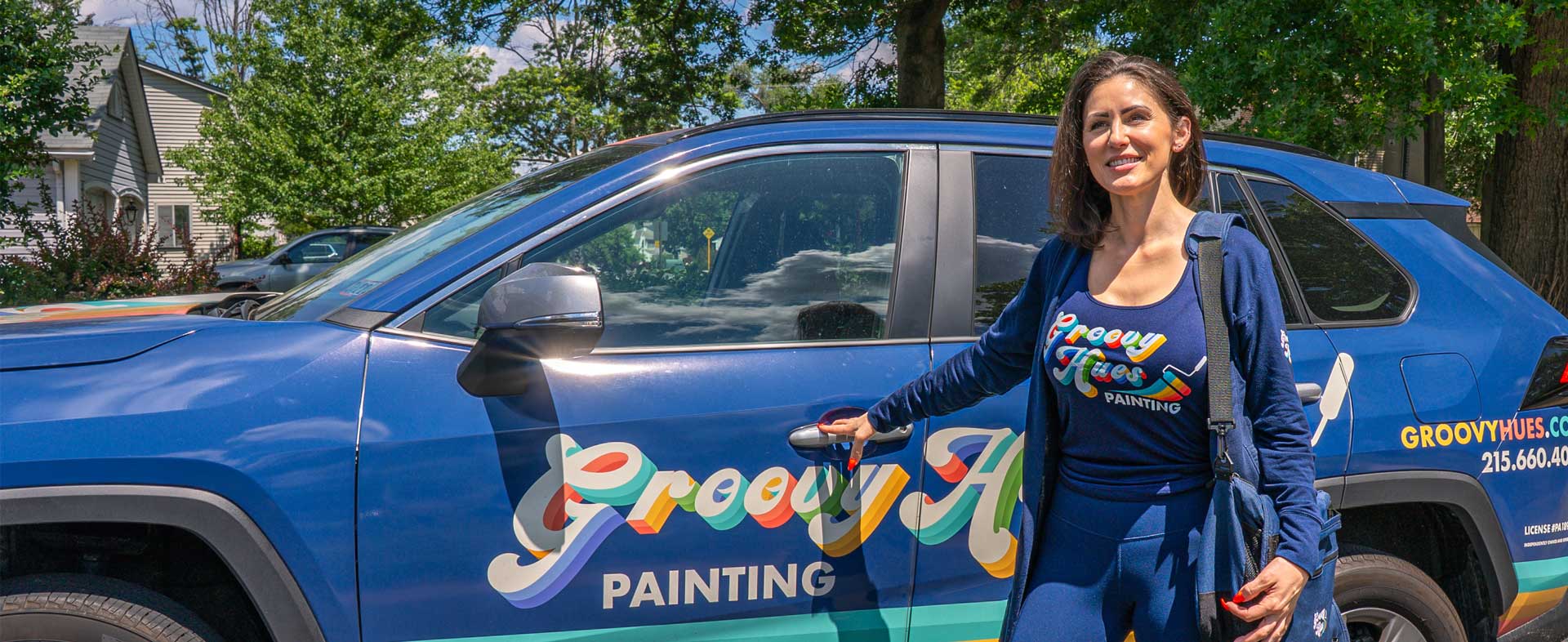
Written from the field by Groovy Hues Painting of Philadelphia — 25 years painting Greater Philadelphia, OSHA 30 · BBB Accredited · PA HIC #PA189587, 5.0 rated across 1,100+ reviews.

The Race Against Autumn: Why Historic Exterior Updates Can't Wait
Your property is showing its age with flaking trim and faded siding, and navigating historic Main Line color approvals before the fall rain starts is the actual hurdle standing between you and a protected home. At Groovy Hues Painting, we see this pattern every late summer as the back-to-school transition begins: many homeowners assume the hardest part of updating an older home is finding an available contractor. The reality is far more bureaucratic. Strict local preservation rules create a significant administrative bottleneck that clashes directly with the ticking clock of seasonal weather. If you wait until the leaves begin to turn to start planning, you have already missed your window.
For homeowners looking to secure professional exterior painting, initiating the administrative process in August is the only way to ensure the work is completed before winter weather sets in.
You are facing a critical decision point right now: whether to delay the project until next spring or initiate the approval process immediately in late summer. Delaying means leaving exposed wood and failing paint to face harsh winter moisture, which accelerates rot and structural damage. On the other hand, starting the historic color approval process in August gives you the necessary lead time to clear administrative hurdles. The tension between strict local preservation rules on the Main Line, Philadelphia, and the closing weather window means you cannot afford to procrastinate. The biggest obstacle is not how fast the paint can be applied, but how slowly the local review boards operate.
Understanding this timeline is the first step toward a successful exterior update. Bureaucratic lead times often stretch for weeks, requiring detailed submissions, material reviews, and formal meetings before a single piece of scaffolding can be erected. Recognizing this reality allows you to plan proactively, protecting your home's historic charm without falling victim to weather-related delays.
Understanding the Historic Board and HOA Bottleneck
The administrative timeline for historic homes is notoriously rigid, and starting late guarantees missing the safe weather window for application. In our years of painting historic Philadelphia homes, we've learned firsthand that most Historical Architectural Review Boards (HARBs) and Homeowner Associations (HOAs) do not operate on your schedule. They follow strict, inflexible calendars that dictate exactly when and how exterior alterations are approved.
The Monthly Meeting Cycle
The most significant delay in the historic color approval process stems from the meeting schedules of local boards. In designated historic districts, review boards typically meet only once a month to review applications. This means the margin for error is virtually nonexistent.
- Submission deadlines: Boards require applications to be submitted well in advance of the actual meeting date to allow for preliminary review.
- The one-day penalty: Missing an application deadline by a single day does not mean a slight delay; it bumps your project to the following month's agenda.
- Requests for revision: If the board has questions or requires different color swatches, they will table the discussion until the next monthly meeting, doubling your wait time.
A late summer application submitted in August might not receive a hearing until mid-September. By the time you receive the official paperwork, you are pushing dangerously close to late autumn weather.
Securing a Certificate of Appropriateness
Before any exterior alterations can legally begin on a historically designated property, you must obtain a formal Certificate of Appropriateness. This document is a legal requirement confirming that your proposed changes align with the historical character of the neighborhood.
The certificate dictates everything from the exact shade of the trim to the finish of the siding. Beginning unauthorized exterior work without this certificate carries severe risks. Municipalities can issue stop-work orders, impose heavy fines, and legally compel you to repaint the entire house at your own expense if the unapproved colors do not meet historic guidelines. For homeowners seeking a reliable Bryn Mawr painting service, having this certificate in hand is the only way a reputable crew—including our team at Groovy Hues Painting—will begin the job.
A realistic timeline shows that an application submitted in early August will likely yield a Certificate of Appropriateness by early September, positioning the actual physical labor to start precisely as the weather begins to cool.

The Closing Weather Window for Pennsylvania Homes
Connecting the administrative delay directly to meteorological constraints reveals exactly why a delayed approval ruins an exterior project. Paint is a chemical compound that requires specific environmental conditions to cure properly. When administrative red tape pushes a project out of August and deep into the fall, you are no longer fighting the HOA—you are fighting thermodynamics.
Temperature Requirements for Proper Adhesion
Manufacturer guidelines for modern exterior acrylic latex paint are strict. For the chemical process of coalescence (curing) to occur, surface temperatures must remain above 50 degrees Fahrenheit during both the application and the subsequent drying period.
There is a massive difference between ambient air temperature and surface temperature. Even if the local weather report claims it is 55 degrees outside, the surface of a shaded, north-facing historic brick or wood wall might be hovering in the mid-40s. If paint is applied to a surface that is too cold, the acrylic binders cannot fuse together. Instead of forming a durable, protective film, the paint dries into a brittle layer that will quickly crack, flake, and fail.
| Condition Factor | Late Summer (August/Sept) | Mid-Autumn (October) |
|---|---|---|
| Average Surface Temp | Consistently above 60°F | Frequently drops below 50°F |
| Safe Painting Hours | 8:00 AM to 5:00 PM | 11:00 AM to 3:00 PM (if sunny) |
| Overnight Curing Risk | Low risk of freezing | High risk of sudden temperature drops |
| Dew Point Interference | Minimal morning moisture | Heavy morning frost and prolonged dampness |
The Threat of Autumn Rain
With summer temperatures fading, the transition into early autumn drastically reduces the daily hours where conditions are safe for painting. Furthermore, the Philadelphia region experiences a significant increase in rainy days and sudden overnight temperature drops starting in late September and October.
Increased moisture and high dew points severely affect drying times. If fresh paint is exposed to a sudden overnight temperature drop or heavy autumn dew before it has fully cured, the moisture will lift the paint right off the substrate. Our crews have seen the unfortunate aftermath of rushed, unapproved late-season jobs; risking a paint job under these conditions often leads to massive peeling and total coating failure by the time spring arrives. This is why securing your approvals early is the only way to guarantee a durable finish.
Preparing a Winning Application for the Review Board
To avoid rejection and the subsequent month-long delays, you must submit a flawless application on your first attempt. Review boards are meticulous, and they expect homeowners to provide comprehensive, detailed documentation that leaves no room for ambiguity.
Matching Period-Accurate Palettes
The first step in preparing your application is identifying your home's exact architectural style. Whether your property is a Victorian, a Colonial Revival, or a traditional stone farmhouse, the review board will expect your color choices to reflect that specific era. Sourcing historically accurate colors that comply with local guidelines is non-negotiable.
A winning application typically requires the following components:
- Physical color swatches: Digital printouts are rarely accepted. You must provide actual manufacturer paint chips or physical drawdowns (painted samples) for the board to review under natural light.
- Architectural photographs: Clear, high-resolution photos of your home's current exterior, highlighting the specific trim, siding, and masonry areas to be painted.
- Material specifications: Detailed data sheets from the paint manufacturer proving that the proposed product is appropriate for historic substrates.
- A detailed scope of work: A written explanation of the preparation methods, ensuring that historic materials will not be damaged during scraping or sanding.
Providing these comprehensive details on the first try prevents the board from tabling your request until the following month. When you work with our experienced Villanova painters, we help compile this documentation accurately, ensuring the board has everything they need to grant immediate approval.
Material Compliance: Selecting the Right Formulas
Historic approvals are not just about aesthetics; they are heavily focused on the technical side of the materials being used. Boards evaluate not just the visual color, but the chemical makeup and finish of the proposed formulas. Applying the wrong type of coating to a historic home can cause irreversible structural damage.
Historic masonry, stucco, and old-growth wood require specific breathable paint formulas. Older homes were built without modern vapor barriers. They rely on the ability of the exterior materials to absorb and release moisture naturally. If you apply a modern, highly impermeable synthetic coating (like certain heavy elastomeric paints) to historic brick or wood, you trap moisture inside the walls. This trapped moisture will eventually cause the brick face to spall (crumble) and the wood framing to rot from the inside out.
Preservation societies understand this science deeply. They will scrutinize your application to ensure the chosen products allow for proper vapor permeability. Traditional formulations, such as high-quality acrylic latex resins designed specifically for historic restoration, offer the flexibility and breathability that older substrates demand. Understanding the differences between interior and exterior paint formulations, as well as the distinction between standard exterior paint and historic-grade coatings, is vital for compliance.
Your application must clearly contrast the proposed materials with any prohibited synthetic coatings, proving to the board that your update will preserve the structural integrity of the home as much as its visual appeal.
Partnering with Local Experts to Expedite Approvals
Navigating the bureaucratic maze of historic preservation is not a task you have to handle alone. Position professional assistance as your primary tool for securing the weather window. Experienced local teams anticipate board questions before they are even asked, preparing robust documentation that sails through the review process.
Working with professionals who already know the preferred historic palettes and HOA requirements saves you weeks of frustrating trial and error. Our team at Groovy Hues Painting brings years of specific local expertise in successfully navigating stringent Main Line historical society guidelines and strict HOA color approvals to prevent costly project delays. Because we understand the nuances of what local boards look for, we can guide you toward pre-approved color families and compliant material specifications from day one.
Getting the paperwork right the first time locks in the late-summer project schedule. When you collaborate with our knowledgeable painters in Gladwyne, the administrative burden shifts off your shoulders. The focus moves from stressing over meeting agendas to simply anticipating the beautiful, historically accurate transformation of your home's exterior.
Frequently Asked Questions About Historic Paint Approvals
How long does HOA approval take for exterior paint?
HOA and historic board approvals typically take between 30 and 60 days from the time of submission. Because most boards only meet once a month, missing a deadline can instantly add four weeks to your timeline. Submitting a complete, error-free application on the first try is the best way to keep this process closer to the 30-day mark.
What temperature is too cold to paint outside?
Surface temperatures must remain above 50 degrees Fahrenheit for standard exterior acrylic latex paint to cure properly. If the temperature drops below this threshold during application or within 48 hours afterward, the paint will fail to form a cohesive film. This leads to premature peeling, cracking, and poor adhesion.
Do I need permission to paint my historic home?
Yes, if your home is located within a designated historic district or governed by a strict HOA, you legally need permission. You must obtain a Certificate of Appropriateness before altering the exterior appearance. Failing to do so can result in stop-work orders and significant municipal fines.
What are approved historic paint colors in PA?
Approved colors vary by specific township and the architectural era of your home, but they generally draw from muted, period-accurate palettes. Earth tones, colonial blues, deep greens, and historic off-whites are commonly accepted. Your local HARB will have a specific list or preferred manufacturer collections that align with regional preservation standards.
What happens if I paint my historic home without a Certificate of Appropriateness?
Painting without the required certificate is a violation of local municipal codes. The historic board can force you to halt the project immediately. Furthermore, they have the legal authority to compel you to strip the unapproved paint and redo the entire project using approved colors, entirely at your own expense.
Secure Your Late-Summer Painting Schedule Today
A clear, realistic timeline is the absolute key to avoiding weather-related delays on your historic property. The window for safe, durable exterior updates is closing rapidly as autumn approaches, making immediate action necessary.
Start the approval process now to ensure your historic home is protected against moisture and freezing temperatures before winter arrives. By relying on professional guidance to make the application process straightforward, you can navigate the red tape with confidence. Take the first step today to secure your spot, ensuring your property remains a beautiful, well-preserved fixture in the neighborhood for years to come.