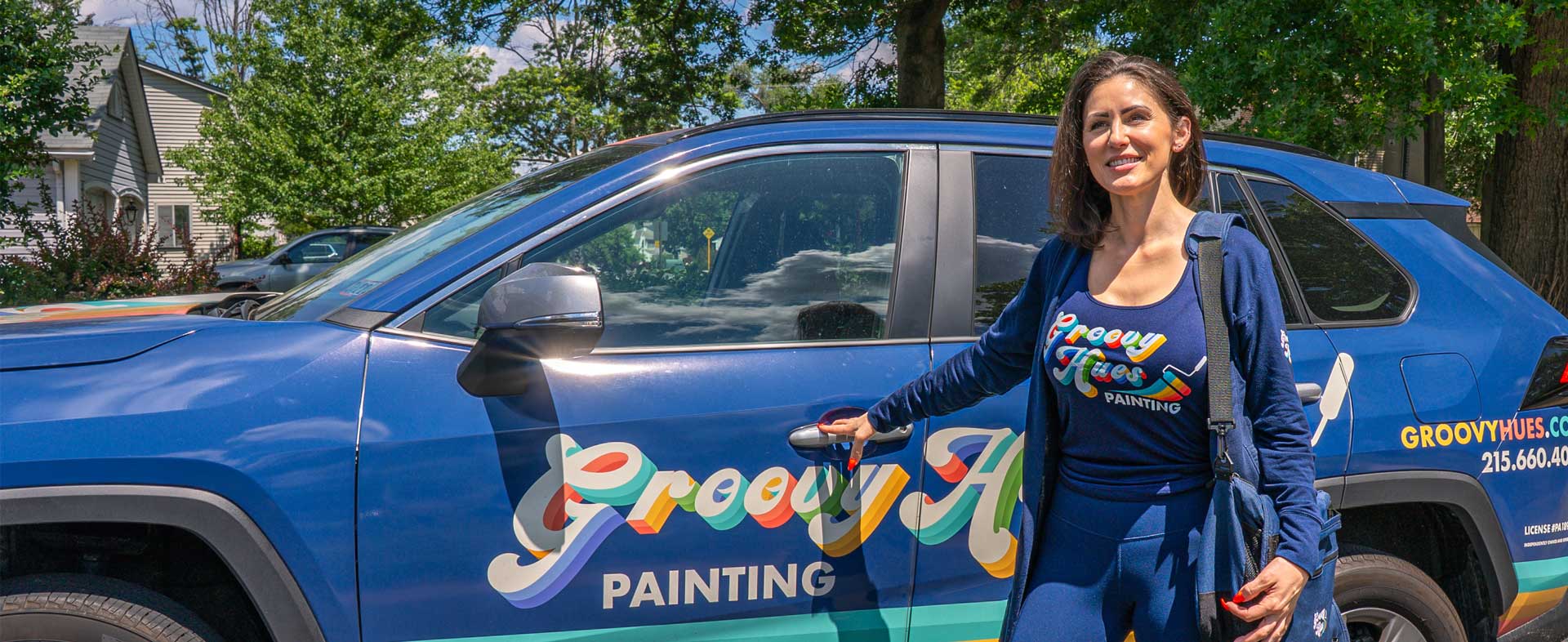
Written from the field by Groovy Hues Painting of Philadelphia — 25 years painting Greater Philadelphia, OSHA 30 · BBB Accredited · PA HIC #PA189587, 5.0 rated across 1,100+ reviews.

First Impressions and the Q4 Countdown for Retail Storefronts
As the summer heat finally breaks, our team at Groovy Hues Painting often fields questions from property managers about why September is the ideal window for repainting commercial metal awnings before the holiday shopping rush begins. After enduring months of intense ultraviolet rays, heavy storms, and oppressive heat, the metal fixtures on your storefront are likely showing visible signs of wear. Chalking finishes, faded colors, and peeling edges do more than just age your building—they directly impact how potential customers perceive your business. With the critical Q4 retail season rapidly approaching, prioritizing exterior maintenance becomes a strategic necessity rather than just a cosmetic upgrade.
The decision you face right now is a matter of timing. You can schedule a repaint immediately during the early fall window, or you can risk delaying the project until late fall or spring. However, pushing this maintenance off often means battling unpredictable weather delays or applying coatings in conditions that compromise their long-term integrity. Metal painting is highly technical, requiring specific environmental conditions to succeed. If you are looking to revitalize your property, exploring professional commercial painting options now ensures your storefront is pristine before the busiest shopping days of the year arrive.
The Chemistry of Direct-to-Metal (DTM) Coatings
In our experience restoring storefronts throughout Philadelphia, we've found that reviving a commercial awning is not as simple as brushing on a standard layer of exterior house paint. Metal substrates require specialized chemical formulations known as Direct-to-Metal (DTM) coatings. Understanding how these coatings function is the first step in realizing why weather plays such a dictatorial role in the success of your exterior updates across Philadelphia retail corridors.
What Makes DTM Coatings Different?
Direct-to-Metal acrylics and industrial enamels are engineered to bond securely to bare metal, aluminum, or previously painted industrial surfaces without necessarily requiring a separate primer, provided the surface is properly prepared. These coatings are formulated with specialized resins that offer exceptional flexibility, allowing the paint film to expand and contract as the metal awning heats up in the sun and cools down at night.
| Feature | Standard Exterior Paint | Direct-to-Metal (DTM) Coating |
|---|---|---|
| Adhesion Profile | Bonds best to porous surfaces like wood or masonry. | Chemically bonds to dense, non-porous metal substrates. |
| Flexibility | Moderate flexibility; prone to cracking on metal. | High elasticity to handle thermal expansion and contraction. |
| Corrosion Resistance | Minimal rust-inhibiting properties. | Contains active rust-inhibitive pigments to stop oxidation. |
The Cross-Linking Process
The secret to a DTM coating's durability lies in a chemical reaction called cross-linking. As the paint dries, the polymer chains within the acrylic resin begin to bind together, forming a tight, continuous, and highly durable microscopic grid. This cross-linked grid is what blocks moisture, resists UV fading, and prevents the paint from peeling away from the metal.
However, this chemical process has a very narrow margin for error. The cross-linking reaction is entirely dependent on ambient weather conditions at the time of application. If the temperature is too hot, too cold, or if the air is too saturated with moisture, the polymer chains will not bind correctly. When you invest in commercial painting services in Philadelphia, you are relying on professionals like our crew who understand how to time this chemical process perfectly with the local forecast.
Why Summer Heat Causes Flash-Drying and Adhesion Failure
A common mistake we see property managers make is attempting to schedule metal restoration during the peak of summer, assuming that hot, sunny days are perfect for painting. Over the years, our team has seen first-hand that extreme heat is the primary enemy of Direct-to-Metal coatings.
The Problem: Elevated Surface Temperatures
Ambient air temperature only tells half the story. Metal is an exceptional conductor of heat. On a sunny 90-degree afternoon in July, a dark metal awning in direct sunlight can easily reach surface temperatures of 110 to 120 degrees Fahrenheit. This is well beyond the safe application threshold for almost all industrial coatings.
The Cause: Solvent Evaporation and Flash-Drying
When paint is applied to a surface that is aggressively hot, a phenomenon known as "flash-drying" occurs. Paint consists of solid pigments and resins suspended in a liquid solvent (or water, in the case of acrylics). For the paint to bond to the metal, the liquid must evaporate at a controlled, steady rate, allowing the resins time to flow out and cross-link.
If the metal is scorching hot, the solvent flashes off instantly upon contact. The paint essentially bakes onto the surface before it has a chance to chemically bond to the substrate.
The Solution: Timing for September / Early Fall
The visible results of flash-drying are immediate and costly. Because the paint never formed a proper bond, it will quickly begin to blister, peel in large sheets, or develop a chalky, uneven finish that fails prematurely. By waiting for the milder conditions of September / early fall, you avoid the extreme surface temperatures that cause flash-drying, ensuring the coating cures exactly as the manufacturer intended.
Beating the Humidity: Preventing Flash-Rust on Metal Surfaces
While extreme heat accelerates drying too rapidly, excessive moisture in the air presents an entirely different set of catastrophic failures for metal painting. High humidity is a silent project killer, particularly when dealing with exposed steel or iron components on commercial storefronts.
The Danger of Flash-Rusting
When a metal awning is scraped, sanded, and prepared for fresh paint, the bare metal is briefly exposed to the elements. If the relative humidity is high, invisible moisture from the air immediately begins condensing on the raw metal. This causes "flash-rusting"—a rapid oxidation process that can coat the surface in a fine layer of rust within hours, often before the painter even has a chance to apply the DTM coating. Painting over flash-rust guarantees that the new finish will fail, as the paint is bonding to the unstable rust rather than the solid metal underneath.
How High Humidity Stalls Curing
Even if flash-rust is avoided, applying DTM coatings in high relative humidity (typically anything above 85%) prevents the paint film from forming a continuous, protective barrier. Proper curing requires the moisture inside the wet paint to evaporate into the atmosphere. If the surrounding air is already saturated with water, the paint's moisture has nowhere to go. The curing process stalls, leaving the coating soft, tacky, and highly susceptible to sagging or surfactant leaching (where sticky brown streaks appear on the finish).
The Early Fall Advantage
This is where regional climate realities come into play. We always remind our local clients that Philadelphia's transition from sticky, humid Augusts to crisp, dry Septembers eliminates the primary environmental risk for metal painting. The sudden drop in atmospheric moisture across Philadelphia retail corridors means that the water in the DTM acrylic can evaporate faster than the moisture in the air can condense on the surface, guaranteeing a flawless, rock-hard cure.
The September Sweet Spot: Ideal Curing Conditions
When you synthesize the strict temperature requirements and the necessity for low humidity, the data points directly to one specific month as the ultimate window for commercial exterior updates.
To achieve a permanent bond, Direct-to-Metal coatings require a very specific set of environmental parameters:
- Ambient Temperature Range: The air temperature must remain consistently between 50°F and 85°F during application and for at least 48 hours afterward.
- Surface Temperature: The metal itself must be at least 5 degrees above the dew point to prevent invisible condensation from forming under the paint film.
- Relative Humidity: The atmospheric moisture must remain consistently below 85% during the entire curing phase.
- Overnight Stability: Temperatures cannot plummet drastically after the sun goes down, as a sudden freeze will shatter the cross-linking polymer chains before they fully cure.
Early fall uniquely provides all of these conditions simultaneously. Specifically, Philadelphia's average September high of around 78°F serves as the perfect median temperature for DTM application. The metal stays warm enough to encourage smooth flow and leveling, but cool enough to prevent flash-drying. Furthermore, the crisp autumn air keeps humidity well below the danger zone.
Property managers must be cautious, however, not to wait too long. Pushing a project into late October or November introduces the risk of overnight temperature drops stalling the curing process entirely. If you are evaluating the best time of year to paint your exterior, our team's schedule and local weather data clearly show that September / early fall is the undisputed sweet spot.

Preparing for the Holiday Rush: The Business Case for Early Fall Maintenance
Beyond the technical chemistry of paint curing, there is a distinct business imperative for taking action during this specific window. For retail locations, restaurants, and commercial spaces, the fourth quarter represents the most critical revenue period of the year. Preparing for this holiday rush requires that all exterior maintenance, scaffolding, and staging be completely dismantled and finished well before November.
Maximizing Curb Appeal for Foot Traffic
A freshly painted, vibrant storefront awning does more than just protect the metal from rust; it actively increases curb appeal and signals professionalism to foot traffic. When consumers walk through Philadelphia retail corridors during the holiday shopping season, they subconsciously judge the quality of a business by its exterior upkeep. Faded, peeling awnings suggest neglect, while crisp, newly restored metalwork invites customers inside with confidence.
Avoiding the Ripple Effect of Delays
Scheduling your exterior updates in early fall provides a vital buffer. If you attempt to schedule this work in late fall, a single week of unseasonably cold rain can push your project timeline back significantly. This creates a nightmare scenario where painters, ladders, and drop cloths are obstructing your entryways during peak shopping days. Positioning proactive exterior maintenance as a priority in September gives brick-and-mortar locations a distinct competitive advantage, ensuring the property looks its absolute best when foot traffic is at its highest.
Commercial Awning Restoration Without Retail Disruption
One of the most common hesitations property managers have when scheduling exterior maintenance is the fear of disrupting daily operations. The prospect of closing entryways, rerouting customers, or dealing with unsightly construction zones can make a necessary project feel like a massive operational burden. However, professional commercial awning restoration is designed specifically to mitigate these concerns.
Executing a large-scale exterior project requires careful logistical planning:
- Safe, efficient staging: Professional teams utilize specialized scaffolding and lift equipment that minimizes the footprint on the sidewalk, ensuring safe passage for pedestrians and patrons.
- Entryway protection: High-traffic doors are shielded with secure, breathable drop cloths and rigid barriers, allowing businesses to remain fully operational while overhead work is completed.
- Clean application processes: Advanced DTM coatings can often be applied using precision methods that eliminate the risk of overspray hitting windows, masonry, or parked vehicles.
Working with an experienced team like ours at Groovy Hues means you benefit from our proven ability to execute commercial painting projects with minimal disruption to retail storefronts during regular business hours. You do not have to choose between protecting your building and serving your customers. Whether you need metal awning restoration or broader exterior painting, the process can be managed seamlessly behind the scenes during the September / early fall window.
Frequently Asked Questions About Commercial Metal Awning Painting
What is the best temperature to paint exterior metal?
The ideal ambient temperature for painting exterior metal is consistently between 50°F and 85°F. However, the surface temperature of the metal is just as critical and must not exceed the paint manufacturer's specific limits. Because metal absorbs and retains heat rapidly, painting in direct summer sunlight should be avoided to prevent the coating from flash-drying before it can bond.
What kind of paint is used on commercial metal awnings?
Commercial metal awnings require Direct-to-Metal (DTM) acrylics or specialized industrial enamels. These specific coatings are formulated to provide high flexibility, allowing them to expand and contract with the metal without cracking. They also contain advanced rust-inhibiting properties to protect the substrate from long-term corrosion and weather damage.
Why does metal exterior paint peel?
Metal exterior paint typically peels due to a lack of proper cross-linking, which prevents long-term adhesion to the substrate. This failure is most often caused by poor surface preparation, applying the paint during high humidity, or flash-drying in extreme heat. When the chemical bond fails to form correctly, the paint film simply lifts away from the smooth metal surface.
How long does direct-to-metal paint take to cure?
While DTM paint may be dry to the touch in just a few hours, full chemical curing can take several days to a week, depending heavily on the weather. Consistent, moderate temperatures and low humidity speed up the curing process. If the temperature drops drastically overnight or humidity spikes, the curing timeline will be significantly delayed.
Can you paint metal awnings while the business is open?
Yes, metal awnings can absolutely be painted while a business remains open to the public. With proper staging and professional project management, techniques are used to protect entryways, shield windows, and ensure complete customer safety across busy Philadelphia retail corridors. The work is organized to minimize the footprint and avoid retail disruption.
Secure Your Storefront's Fall Refresh
Understanding the strict chemical requirements of Direct-to-Metal coatings makes it clear why timing is everything for your exterior maintenance. The moderate temperatures and low humidity of September / early fall provide the exact weather conditions needed for a flawless, long-lasting finish that won't flash-dry or peel. By acting now, you ensure your property looks pristine and inviting well before the Q4 holiday rush begins. Don't let the ideal weather window close—explore your commercial painting options today to give your storefront the durable, professional refresh it deserves.