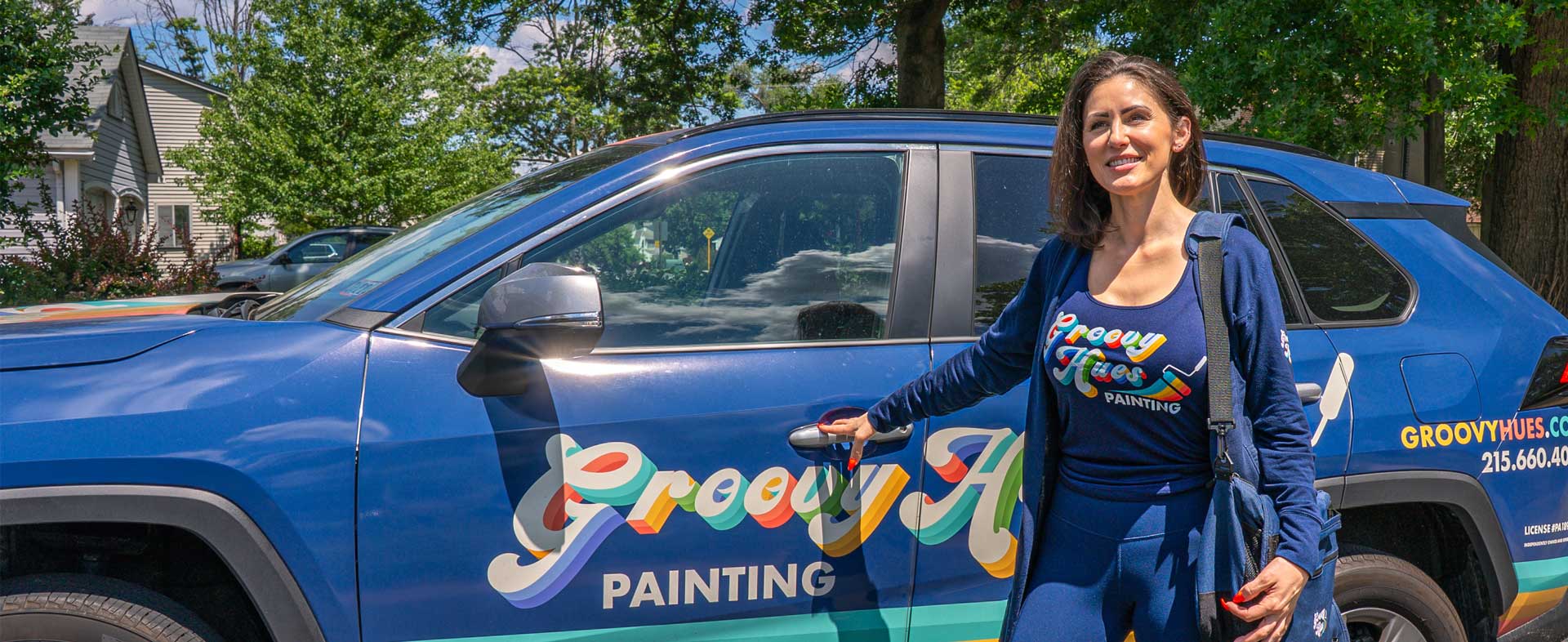
Written from the field by Groovy Hues Painting of Philadelphia — 25 years painting Greater Philadelphia, OSHA 30 · BBB Accredited · PA HIC #PA189587, 5.0 rated across 1,100+ reviews.

Protecting Your Home from the Peak Summer Sun
Mid-summer in Pennsylvania brings intense heat and long, sunny days, making it feel like the perfect time to finally tackle those major home upgrades. However, if you are currently looking into scheduling morning-only exterior painting for Doylestown homes in July, our team at Groovy Hues Painting knows you are already approaching your project with the right mindset. Direct afternoon UV exposure is a silent threat to fresh exterior coatings. We frequently see it cause brand-new paint to blister, peel, or literally boil right off the siding before it ever has a chance to properly cure. To protect your property and your investment, adjusting application times to the early morning hours is not just a scheduling preference—it is a mandatory step for proper curing. The short answer is that understanding the science behind how paint dries in the summer heat ensures your home looks flawless for years to come.
For reliable exterior painting, partnering with professional Doylestown painting services like ours ensures your project follows these strict environmental guidelines from start to finish.
Surface Temperature vs. Ambient Air: The Hidden Danger
In our years serving the greater Philadelphia area, we've noticed most homeowners check the local weather forecast to decide if it is a good day for a home improvement project. The ideal ambient temperature for applying exterior acrylic latex paint generally sits comfortably between 50°F and 85°F. However, the weather report only tells you the temperature of the air, not the actual temperature of your house. Direct sunlight causes surface temperatures to spike dramatically, often registering 10 to 20 degrees hotter than the ambient air around it. A seemingly safe 85-degree afternoon in Doylestown quickly pushes your siding's surface temperature well past 100°F, creating an incredibly unsafe environment for wet paint application.
Reading the Thermometer vs. Feeling the Siding
Different siding materials absorb and retain heat at entirely different rates, a concept known in the construction industry as thermal mass. Wood clapboard, vinyl siding, and historic brick all react uniquely to the summer sun. Darker paint colors also absorb significantly more heat than lighter shades, compounding the issue. If you place your hand on a dark grey vinyl siding panel at 2:00 PM on a sunny day, it will likely feel hot to the touch, regardless of what the weather app says.
| Ambient Air Temperature | Sun Exposure Level | Estimated Surface Temperature | Application Safety |
|---|---|---|---|
| 75°F | Full Shade | 75°F - 78°F | Safe for Application |
| 80°F | Partial Sun | 88°F - 92°F | Borderline / Monitor Closely |
| 85°F | Direct Afternoon Sun | 100°F - 110°F+ | Unsafe (Risk of Flash-Drying) |
How Direct UV Rays Alter Surface Conditions
UV radiation adds a severe compounding effect on top of the standard ambient heat. The physical orientation of your house dictates the severity of this temperature spike throughout the day. West-facing and south-facing walls take the absolute brunt of the afternoon sun, baking the substrate for hours. Measuring the actual surface temperature with an infrared thermometer is the only reliable way our painters know if the siding is cool enough to accept a fresh coat of paint without compromising the chemical bonding process.
Understanding the Mechanics of Blistering and Paint 'Boiling'
Applying paint to a surface that is actively baking in the July sun leads to an immediate and highly visible failure known as flash-drying. When called out to inspect these failures, our team often hears homeowners assume they purchased a bad batch of paint, but in our experience, this is strictly an application environment issue, not a defect in the paint product itself. Understanding the physics of this failure highlights exactly why timing is everything.
What Causes Paint to Flash-Dry?
When wet paint hits a 105-degree surface, the water and solvents inside the liquid coating evaporate at a rapid, unnatural pace. This rapid evaporation triggers several immediate problems:
- Premature skinning: The intense heat causes the top layer of the paint to skin over and harden into a shell before the bottom layer has a chance to dry.
- Loss of open time: The paint loses its "open time," meaning it cannot level out properly, leaving highly visible brush strokes, roller marks, and an uneven sheen.
- Poor surface penetration: The coating dries so incredibly fast that it never penetrates the microscopic pores of the siding, leading to a weak overall bond.
The Chemistry Behind Trapped Solvents
Once that top layer hardens into a rigid skin, the moisture and chemical solvents still trapped in the wet base layer underneath have nowhere to go. As the afternoon sun continues to heat the siding, these trapped liquid solvents heat up and expand into a gas. The expanding gas pushes upward against the freshly hardened outer skin, creating visible blisters or a bubbling effect that looks exactly like the paint is boiling on the side of the house. The only solution once this chemical reaction occurs is to scrape off the ruined paint, prep the surface again from scratch, and start over under better environmental conditions.

The Role of Regional Humidity in the Curing Process
The intense heat of the sun is only half of the environmental battle. The specific climate variables of the Delaware Valley play a massive role in how exterior coatings cure. High atmospheric moisture complicates the drying process significantly, making the timing of your project even more sensitive.
Navigating Atmospheric Moisture Levels
For modern acrylic paints to achieve their maximum durability and weather resistance, the microscopic polymers within the paint must properly cross-link as the coating dries. This chemical cross-linking process requires a stable, moderate environment. When our crews factor in the heavy Bucks County summer humidity, we know the excess moisture in the air actually slows down this deep-curing phase. The paint needs more time to securely bond to the Doylestown home's siding, but the intense afternoon sun is simultaneously trying to dry it out instantly.
The Conflict Between Slow Curing and Rapid Surface Drying
This opposing dynamic creates a dangerous physical tension within the paint film itself. You have high humidity keeping the base layer wet and preventing proper cross-linking, while intense UV rays flash-dry the surface layer into a hard shell. This imbalance severely compromises the long-term durability of the coating, making it highly susceptible to peeling after the first winter freeze. By scheduling our work exclusively during the early morning hours, we give the paint a critical window to bond and cross-link properly before the peak humidity and afternoon heat converge to disrupt the chemistry.
Structuring the Optimal Morning Application Window
To successfully bypass the peak heat and ensure the coating goes on under ideal conditions, a highly structured timeline is required. Our professional crews at Groovy Hues Painting do not just show up and start brushing; we follow a calculated sequence based on the sun's movement.
Following the Shade: A Strategic Approach
The safest application window begins early in the morning and concludes well before the sun reaches its peak intensity in July. This specific strategy is often referred to in our trade as "following the shade."
- Mapping the sun's trajectory: Our painters track exactly how the sun moves across the property throughout the morning to identify which walls heat up first.
- Sequencing the work strategically: We start on the west-facing or south-facing sides first thing in the morning while they are still physically cool from the night before.
- Shifting to the east: Our crews move operations to the east-facing sides later in the morning once the sun has passed over them and they fall completely into shadow.
- Monitoring the thermometer continuously: We regularly check the surface temperature of the siding with a laser thermometer, rather than just relying on the ambient air temperature.
Establishing Hard Cut-Off Times
Establishing hard cut-off times is an absolutely non-negotiable rule for our team during a July heatwave. We halt work before ambient temperatures cross the 85-degree threshold and surface temperatures climb into the danger zone. This strict schedule allows adequate time for that final morning coat of residential painting to properly skin over and begin its internal curing process before the harshest afternoon UV exposure hits the house.
Why Strict Scheduling Protocols Define Premium Quality
Limiting work hours during the summer is a deliberate quality-control measure designed entirely to protect your home. It is never an inconvenience; rather, it is the absolute hallmark of doing the job right the first time.
Patience as a Mark of Professionalism
There is often a strong temptation in the home improvement industry to rush through a project simply to get it finished quickly and move on to the next house. However, pushing through the afternoon heat almost guarantees premature paint failure and expensive future rework. True expertise involves knowing exactly when to stop painting for the day. At Groovy Hues Painting, our team takes a proactive, quality-first approach to scheduling. Refusing to rush jobs during damaging peak heat hours is a core brand value for us that prioritizes long-lasting, beautiful results over a fast turnaround.
The long-term financial benefit of avoiding premature paint failure far outweighs the minor adjustment of extending a project by an extra day. Protecting your Doylestown home's exterior requires uncompromising standards regarding weather conditions and substrate temperatures. Whether you are dealing with historic wood clapboard siding or managing flash drying during a July heatwave, patience and strict environmental protocols are exactly what separate a premium, lasting finish from a failing one.
Frequently Asked Questions About Summer Exterior Painting
What happens if you paint in direct sunlight?
Painting in direct sunlight causes the top layer of the paint to dry much faster than the layer underneath. This rapid drying traps moisture and chemical solvents beneath the surface skin. As those trapped solvents heat up in the sun, they expand into gases that push outward, causing the fresh paint to blister, bubble, and eventually peel off the siding.
Is it too hot to paint outside in July?
At Groovy Hues Painting, we advise that it is not necessarily too hot to paint in July, provided the work is strictly scheduled during the cooler parts of the day. The ideal ambient temperature for applying exterior paint is between 50°F and 85°F. By limiting application to the early morning hours, you can safely apply paint before the afternoon temperatures exceed safe limits.
What time of day is best for exterior painting?
The early morning hours are consistently the best time for exterior painting during the summer months. Starting early ensures the siding is still cool from the overnight drop in temperature. It also provides the freshly applied paint enough time to properly level out and begin curing before the intense afternoon sun hits the walls.
Why does exterior paint blister in the heat?
Exterior paint blisters in the heat due to a process called flash-drying. When the surface temperature of the siding is too high, the paint skins over instantly, trapping wet solvents underneath. The heat turns those liquid solvents into an expanding gas, which forces its way up and creates visible blisters on the finish.
Can exterior paint dry too fast?
Yes, exterior paint can absolutely dry too fast, and it is one of the most common causes of paint failure we see. When paint dries too rapidly, it loses its "open time," preventing it from leveling out smoothly and bonding securely to the microscopic pores of the siding. This results in visible brush marks, poor adhesion, and a significantly shorter lifespan for the coating.
How much hotter is a home's siding than the ambient air temperature?
A home's siding can easily reach 10 to 20 degrees hotter than the ambient air temperature when exposed to direct sunlight. On an 85-degree day, a dark-colored exterior wall facing the afternoon sun can easily register surface temperatures well over 100°F, making it far too hot for safe paint application.
Secure a Flawless Finish for Your Home This Summer
A clear, technical understanding of why morning-only scheduling is critical is exactly what protects your exterior investment from severe UV damage. While it might seem restrictive to stop work by lunchtime, working with strict environmental protocols yields superior, long-lasting results that simply cannot be achieved by rushing through the afternoon heat. If you are planning to refresh your Doylestown home's exterior, ensure you discuss these scheduling strategies with our local experts at Groovy Hues Painting. Schedule your consultation early to guarantee your project is handled with the exact scientific precision it requires.